sanawell
ExploreArticles
sanawell
ExploreArticles

Practices

  • Yoga
  • Pilates
  • Breathwork
  • Meditation
  • Movement

Places by area

  • Yoga studios in Ubud
  • Wellness centres in Canggu
  • Pilates studios in Seminyak
  • Gyms in Ubud
  • Spas in Sanur
  • Wellness centres in Ubud
  • Yoga studios in Canggu

Locations

  • Ubud
  • Canggu
  • Uluwatu
  • Seminyak
  • Sanur
  • Pererenan

Explore

  • All places
  • Articles
  • How breathwork became a mainstream practice
  • Green retreats and sustainable wellness
  • The rise of mindful movement and what it means for you
© 2026 sanawell. All rights reserved.
sanawell
ExploreArticles
sanawell
ExploreArticles

Practices

  • Yoga
  • Pilates
  • Breathwork
  • Meditation
  • Movement

Places by area

  • Yoga studios in Ubud
  • Wellness centres in Canggu
  • Pilates studios in Seminyak
  • Gyms in Ubud
  • Spas in Sanur
  • Wellness centres in Ubud
  • Yoga studios in Canggu

Locations

  • Ubud
  • Canggu
  • Uluwatu
  • Seminyak
  • Sanur
  • Pererenan

Explore

  • All places
  • Articles
  • How breathwork became a mainstream practice
  • Green retreats and sustainable wellness
  • The rise of mindful movement and what it means for you
© 2026 sanawell. All rights reserved.
sanawell
ExploreArticles
sanawell
ExploreArticles

Find your practice

  • Yoga
  • Breathwork
  • Pilates
  • Sound Healing
  • Retreats

Places By Area

  • Ubud
  • Canggu
  • Uluwatu

Explore

  • Yoga in Ubud
  • Pilates in Canggu
  • Retreats in Ubud
  • Yoga in Uluwatu
  • Breathwork in Bali

More

  • About & FAQ
© 2026 sanawell. All rights reserved.
Healing
6 min read

What Actually Happens at a Cacao Ceremony in Bali

It’s not what most people picture. Here’s what actually happens at a cacao ceremony in Bali, the compound, the format, and the questions people always ask beforehand

21321711-7053-4d9e-8749-8f7b736d210e.jpeg

It’s not what most people picture. And for the vast majority of people who try one, that’s a good thing.

If the phrase “cacao ceremony” conjures something vague and vaguely mystical, you’re not alone. It’s one of those wellness terms that gets used a lot without much explanation. So here’s what it actually involves.

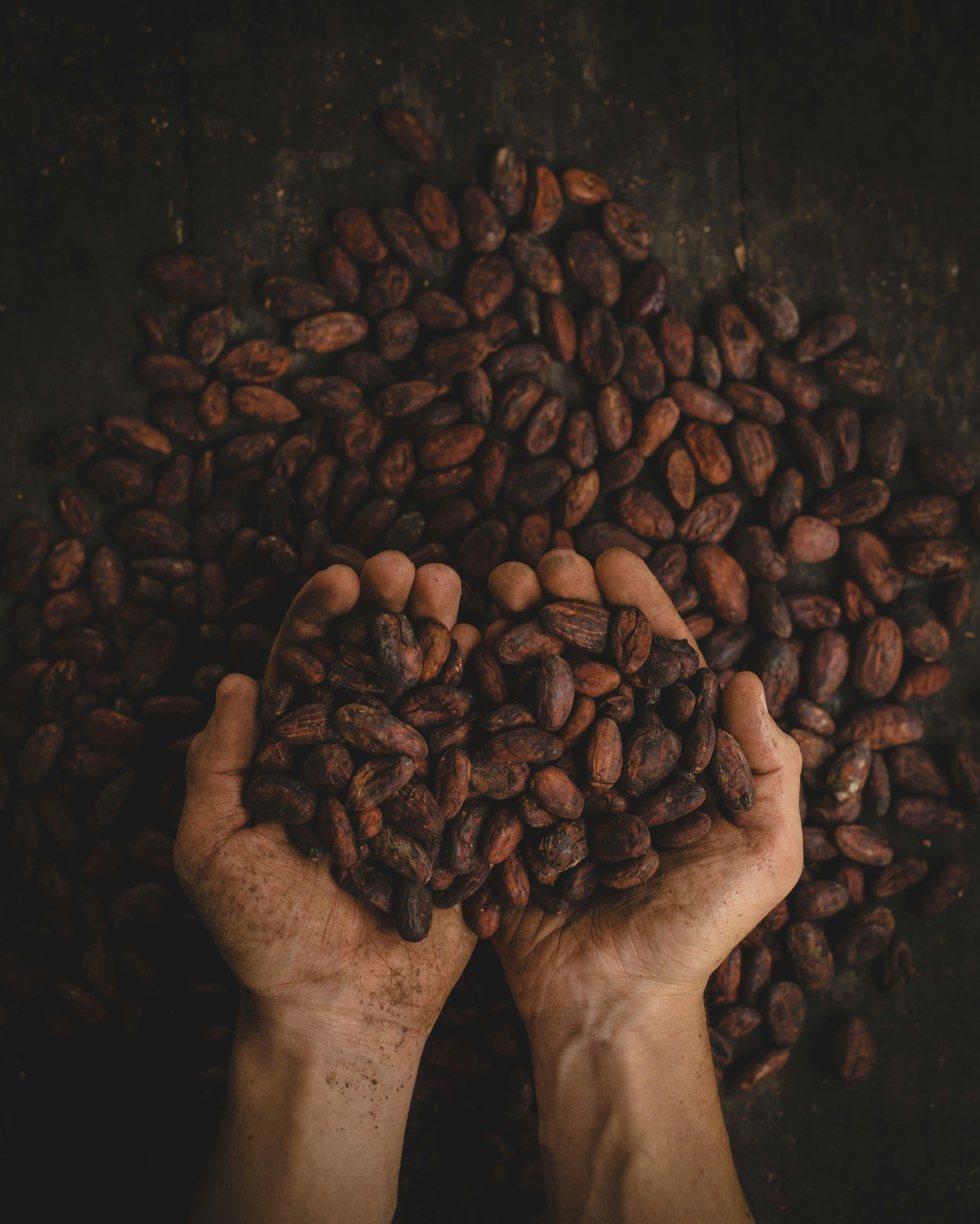
A group gathers, sometimes six people, sometimes sixty. A facilitator prepares ceremonial-grade cacao: raw, minimally processed, mixed with hot water and spices, served as a thick, bitter drink. You hold the cup, set an intention, and drink it together. What follows depends on the ceremony, meditation, breathwork, ecstatic dance, sharing circles, sound healing, or simply sitting in silence. The cacao itself is not psychedelic. But it is active.

What the Cacao Is Actually Doing

Ceremonial cacao contains theobromine, a natural cardiovascular stimulant and the compound behind chocolate’s name, which translates from Ancient Greek as “food of the gods.” Unlike caffeine, theobromine doesn’t cross the blood-brain barrier, so the effect is more physical than mental: increased blood flow, a warm opening sensation in the chest, sustained energy without the spike-and-crash of coffee.

Cacao also contains phenylethylamine, a compound associated with elevated mood and emotional openness, and anandamide, known informally as the bliss molecule, which supports emotional regulation. Together, these create a state that practitioners describe as heart-open: more receptive, more present, less defended. It’s a gentle shift, not a dramatic one. But paired with the right container, music, intention, a skilled facilitator, that shift can go somewhere.

Bali’s Cacao Scene Has Something Others Don’t

Most places hosting cacao ceremonies import their cacao. Bali grows its own. The island’s western regions produce ceremonial-grade cacao that is sourced, fermented, and prepared locally, in some cases by farmers who conduct their own rituals at every stage of the harvest. Ubud Raw, a raw chocolate maker based in Ubud, has become a primary supplier to ceremonies across the island, keeping the supply chain unusually short and traceable.

The ceremony scene itself is concentrated in Ubud, with a growing presence in Canggu. Venues like Pyramids of Chi and The Yoga Barn run regular ceremonies that draw both long-term residents and first-time visitors. The formats range from intimate gatherings of eight to ten people to large community events that feel closer to a celebration than a ritual. Both have their place, and most people find they prefer one over the other.

Common questions, answered plainly

  • Is it psychedelic? No. Cacao is not hallucinogenic. The shift in state is real but subtle, more like a mood lift than an altered state

  • Do I need a spiritual practice to attend? No. Many people who go are curious and secular. Intention matters more than belief

  • How much cacao is served? A ceremonial dose is typically 40–50g of raw cacao paste, significantly more than you’d find in a chocolate bar, which is why the effect is noticeable

  • Are there contraindications? Yes. Theobromine interacts with certain antidepressants, and the increased blood flow is a consideration for people with serious heart conditions. Tell your facilitator about medications beforehand

  • What do people wear? Comfortable clothes. You may be sitting, lying down, moving, or all three

  • How long does it run? Most ceremonies are two to three hours, including integration time at the end.

Cacao ceremonies have been running in Bali for long enough that the novelty has worn off, what’s left is a practice that people keep returning to, in different formats and for different reasons. Some come for the community. Some come for the stillness. Some come skeptical and leave converted. It’s one of the easier places to start if you’re curious about ceremony but not sure you’re ready for something more intense.

Looking for cacao ceremonies in Bali? Sana Bali lists facilitators and venues across Ubud and Canggu, from intimate private sessions to regular community ceremonies.
Stay in the loop. New articles and wellness tips. No spam, unsubscribe anytime.

You might also like

030e4d96-8b3b-4d49-be44-cc935d60df01.jpeg

Breathwork: The Practice Taking Over Bali’s Wellness Scene

Most people who try breathwork in Bali say the same thing afterward: they didn’t expect it to go that deep. Here’s what it actually does, and why the island has built something serious around it

0f277de3-8524-4b1c-8944-54ae791a88f1.jpeg

Why Bali Has Become a Global Home for Yoga

Bali draws yoga seekers from across the world, not just for the classes, but for the community, the stillness, and the space to find themselves

Healing
6 min read

What Actually Happens at a Cacao Ceremony in Bali

It’s not what most people picture. Here’s what actually happens at a cacao ceremony in Bali, the compound, the format, and the questions people always ask beforehand

21321711-7053-4d9e-8749-8f7b736d210e.jpeg

It’s not what most people picture. And for the vast majority of people who try one, that’s a good thing.

If the phrase “cacao ceremony” conjures something vague and vaguely mystical, you’re not alone. It’s one of those wellness terms that gets used a lot without much explanation. So here’s what it actually involves.

A group gathers, sometimes six people, sometimes sixty. A facilitator prepares ceremonial-grade cacao: raw, minimally processed, mixed with hot water and spices, served as a thick, bitter drink. You hold the cup, set an intention, and drink it together. What follows depends on the ceremony, meditation, breathwork, ecstatic dance, sharing circles, sound healing, or simply sitting in silence. The cacao itself is not psychedelic. But it is active.

What the Cacao Is Actually Doing

Ceremonial cacao contains theobromine, a natural cardiovascular stimulant and the compound behind chocolate’s name, which translates from Ancient Greek as “food of the gods.” Unlike caffeine, theobromine doesn’t cross the blood-brain barrier, so the effect is more physical than mental: increased blood flow, a warm opening sensation in the chest, sustained energy without the spike-and-crash of coffee.

Cacao also contains phenylethylamine, a compound associated with elevated mood and emotional openness, and anandamide, known informally as the bliss molecule, which supports emotional regulation. Together, these create a state that practitioners describe as heart-open: more receptive, more present, less defended. It’s a gentle shift, not a dramatic one. But paired with the right container, music, intention, a skilled facilitator, that shift can go somewhere.

Bali’s Cacao Scene Has Something Others Don’t

Most places hosting cacao ceremonies import their cacao. Bali grows its own. The island’s western regions produce ceremonial-grade cacao that is sourced, fermented, and prepared locally, in some cases by farmers who conduct their own rituals at every stage of the harvest. Ubud Raw, a raw chocolate maker based in Ubud, has become a primary supplier to ceremonies across the island, keeping the supply chain unusually short and traceable.

The ceremony scene itself is concentrated in Ubud, with a growing presence in Canggu. Venues like Pyramids of Chi and The Yoga Barn run regular ceremonies that draw both long-term residents and first-time visitors. The formats range from intimate gatherings of eight to ten people to large community events that feel closer to a celebration than a ritual. Both have their place, and most people find they prefer one over the other.

Common questions, answered plainly

  • Is it psychedelic? No. Cacao is not hallucinogenic. The shift in state is real but subtle, more like a mood lift than an altered state

  • Do I need a spiritual practice to attend? No. Many people who go are curious and secular. Intention matters more than belief

  • How much cacao is served? A ceremonial dose is typically 40–50g of raw cacao paste, significantly more than you’d find in a chocolate bar, which is why the effect is noticeable

  • Are there contraindications? Yes. Theobromine interacts with certain antidepressants, and the increased blood flow is a consideration for people with serious heart conditions. Tell your facilitator about medications beforehand

  • What do people wear? Comfortable clothes. You may be sitting, lying down, moving, or all three

  • How long does it run? Most ceremonies are two to three hours, including integration time at the end.

Cacao ceremonies have been running in Bali for long enough that the novelty has worn off, what’s left is a practice that people keep returning to, in different formats and for different reasons. Some come for the community. Some come for the stillness. Some come skeptical and leave converted. It’s one of the easier places to start if you’re curious about ceremony but not sure you’re ready for something more intense.

Looking for cacao ceremonies in Bali? Sana Bali lists facilitators and venues across Ubud and Canggu, from intimate private sessions to regular community ceremonies.
Stay in the loop. New articles and wellness tips. No spam, unsubscribe anytime.

You might also like

030e4d96-8b3b-4d49-be44-cc935d60df01.jpeg

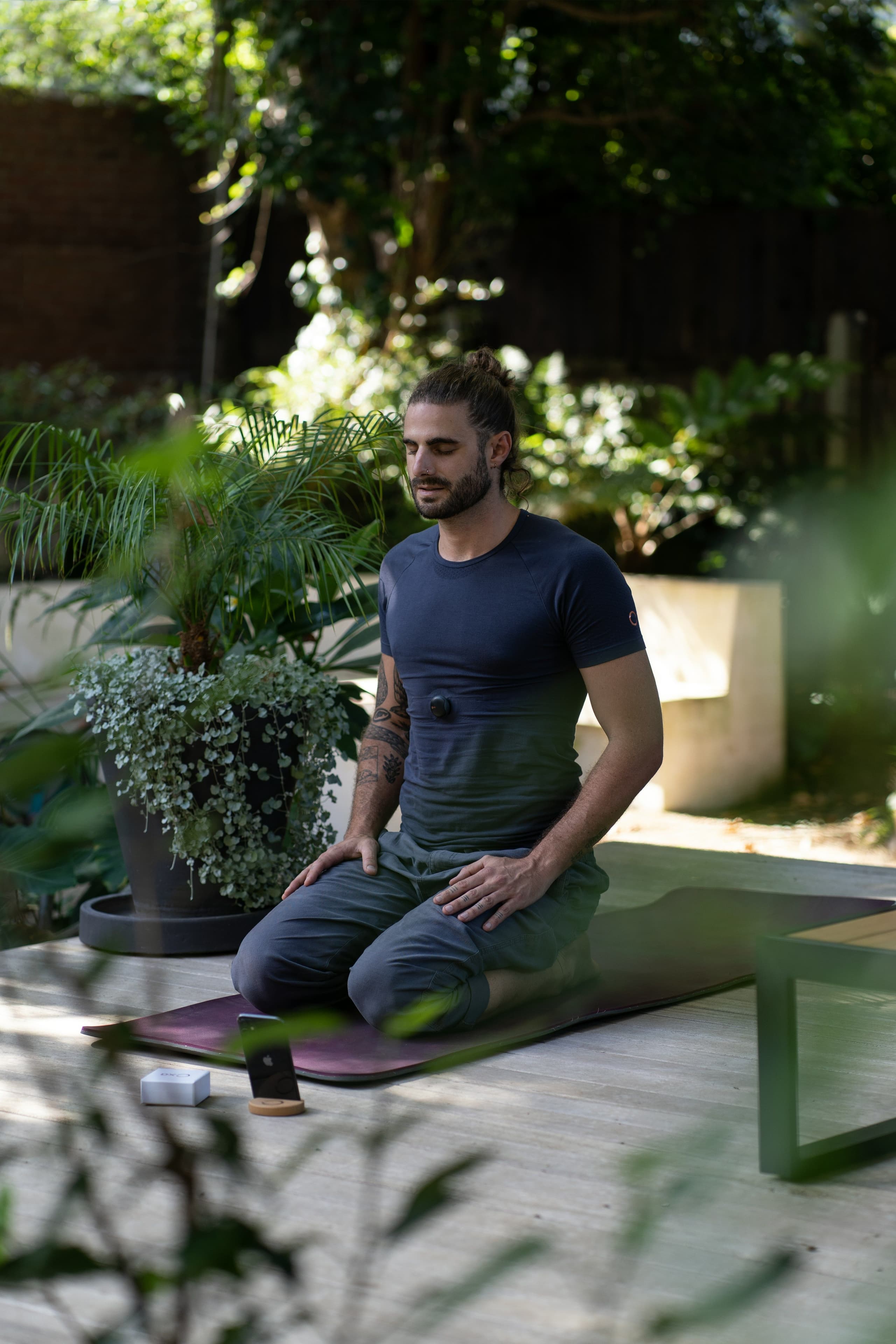
Breathwork: The Practice Taking Over Bali’s Wellness Scene

Most people who try breathwork in Bali say the same thing afterward: they didn’t expect it to go that deep. Here’s what it actually does, and why the island has built something serious around it

0f277de3-8524-4b1c-8944-54ae791a88f1.jpeg

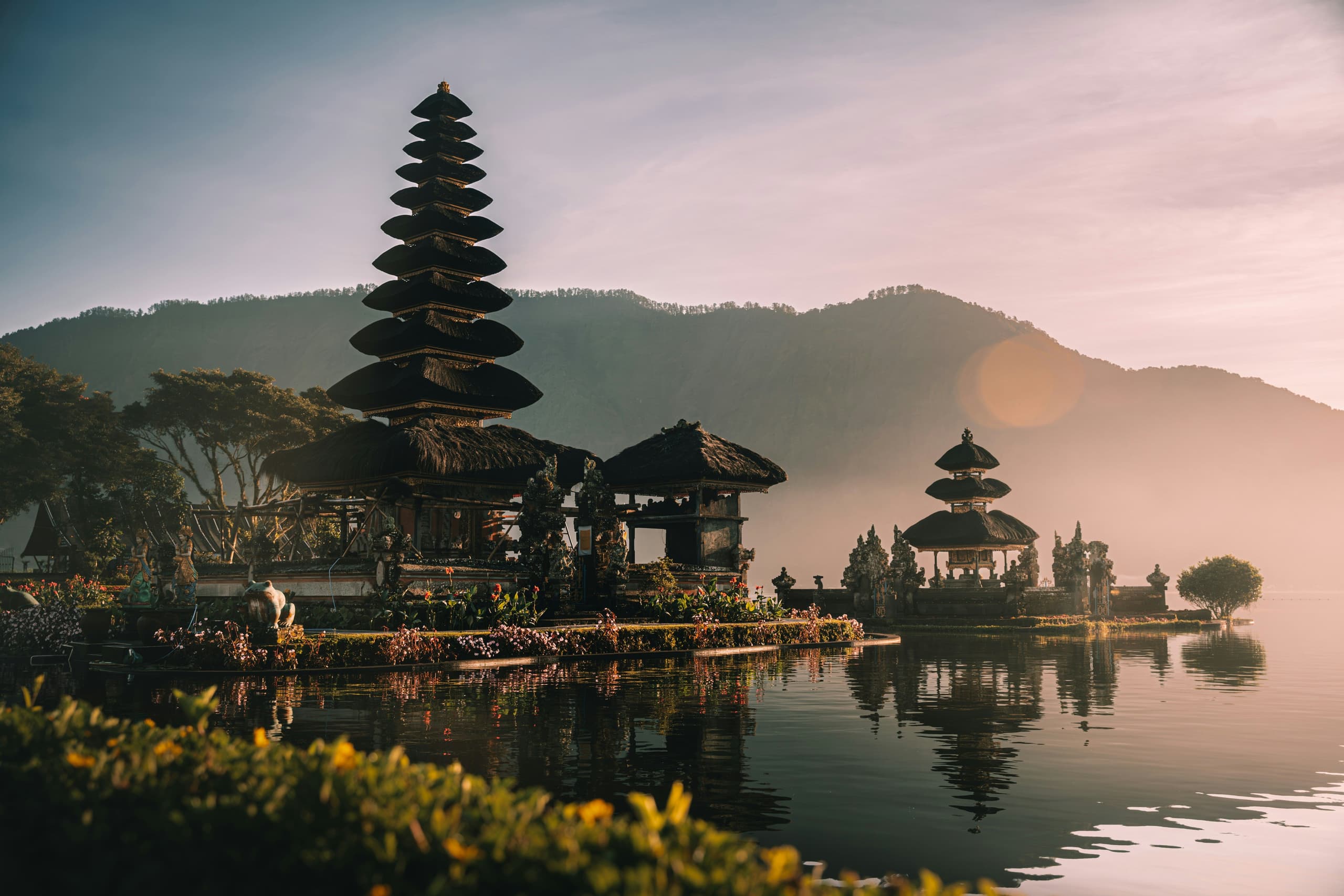
Why Bali Has Become a Global Home for Yoga

Bali draws yoga seekers from across the world, not just for the classes, but for the community, the stillness, and the space to find themselves

a2ad9d9a-9dd9-40c8-9ae9-c5c9baf1f096.jpeg

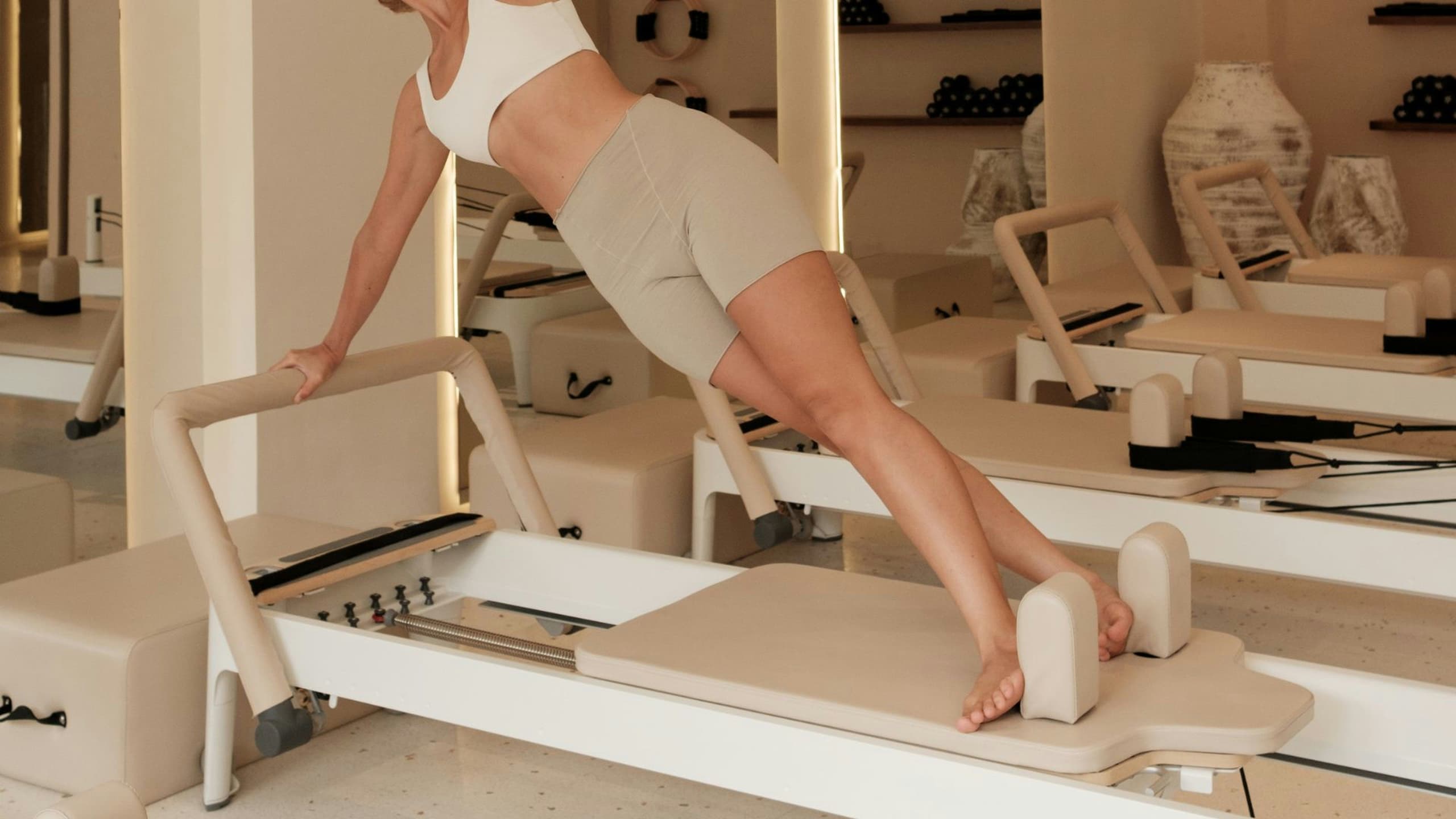
The Quiet Rise of Pilates in Bali and How the Island Became a World-Class Hub

Pilates is the world’s most booked workout, and Bali has quietly become one of the best places on earth to practice it. Here’s why.

cc1bfd52-44cd-4d39-ad83-15a32f0a05c8.jpeg

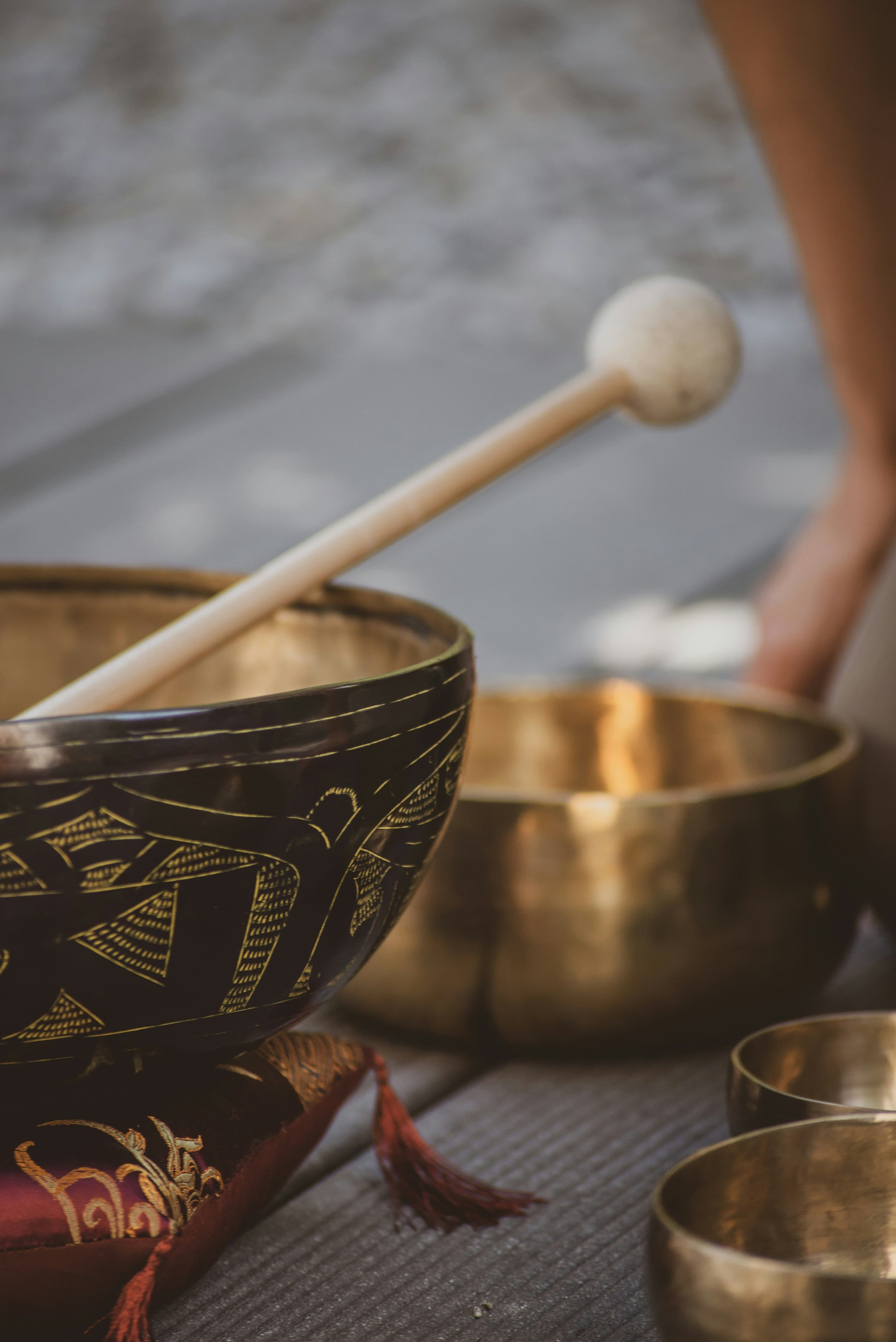
Sound Healing 101: What It Is, How It Works, and Why Bali Does It Better

Sound healing in Bali is one of those experiences most people don’t expect to feel so much. Here’s what it is, what to expect, and why Bali does it so well

a2ad9d9a-9dd9-40c8-9ae9-c5c9baf1f096.jpeg

The Quiet Rise of Pilates in Bali and How the Island Became a World-Class Hub

Pilates is the world’s most booked workout, and Bali has quietly become one of the best places on earth to practice it. Here’s why.

cc1bfd52-44cd-4d39-ad83-15a32f0a05c8.jpeg

Sound Healing 101: What It Is, How It Works, and Why Bali Does It Better

Sound healing in Bali is one of those experiences most people don’t expect to feel so much. Here’s what it is, what to expect, and why Bali does it so well