sanawell
ExploreArticles
sanawell
ExploreArticles

Practices

  • Yoga
  • Pilates
  • Breathwork
  • Meditation
  • Movement

Places by area

  • Yoga studios in Ubud
  • Wellness centres in Canggu
  • Pilates studios in Seminyak
  • Gyms in Ubud
  • Spas in Sanur
  • Wellness centres in Ubud
  • Yoga studios in Canggu

Locations

  • Ubud
  • Canggu
  • Uluwatu
  • Seminyak
  • Sanur
  • Pererenan

Explore

  • All places
  • Articles
  • How breathwork became a mainstream practice
  • Green retreats and sustainable wellness
  • The rise of mindful movement and what it means for you
© 2026 sanawell. All rights reserved.
sanawell
ExploreArticles
sanawell
ExploreArticles

Practices

  • Yoga
  • Pilates
  • Breathwork
  • Meditation
  • Movement

Places by area

  • Yoga studios in Ubud
  • Wellness centres in Canggu
  • Pilates studios in Seminyak
  • Gyms in Ubud
  • Spas in Sanur
  • Wellness centres in Ubud
  • Yoga studios in Canggu

Locations

  • Ubud
  • Canggu
  • Uluwatu
  • Seminyak
  • Sanur
  • Pererenan

Explore

  • All places
  • Articles
  • How breathwork became a mainstream practice
  • Green retreats and sustainable wellness
  • The rise of mindful movement and what it means for you
© 2026 sanawell. All rights reserved.
sanawell
ExploreArticles
sanawell
ExploreArticles

Find your practice

  • Yoga
  • Breathwork
  • Pilates
  • Sound Healing
  • Retreats

Places By Area

  • Ubud
  • Canggu
  • Uluwatu

Explore

  • Yoga in Ubud
  • Pilates in Canggu
  • Retreats in Ubud
  • Yoga in Uluwatu
  • Breathwork in Bali

More

  • About & FAQ
© 2026 sanawell. All rights reserved.
Healing
4 min read

Sound Healing 101: What It Is, How It Works, and Why Bali Does It Better

Sound healing in Bali is one of those experiences most people don’t expect to feel so much. Here’s what it is, what to expect, and why Bali does it so well

cc1bfd52-44cd-4d39-ad83-15a32f0a05c8.jpeg

You lie down. You close your eyes. And then the sound begins and something in you, without trying, starts to let go.

Sound healing isn’t easy to explain to someone who hasn’t tried it. It sounds, on paper, like it might be a bit much, lying in a room while someone plays bowls and gongs over you. But almost everyone who experiences it for the first time says some version of the same thing: they didn’t expect to feel that much.

In Bali, sound healing is everywhere. In open-air jungle spaces in Ubud. In wellness centres along the rice paddies. In retreat programmes that pair it with breathwork, cacao, and ceremonial practice. It’s one of the most sought-after experiences on the island, and for good reason.

What Actually Happens

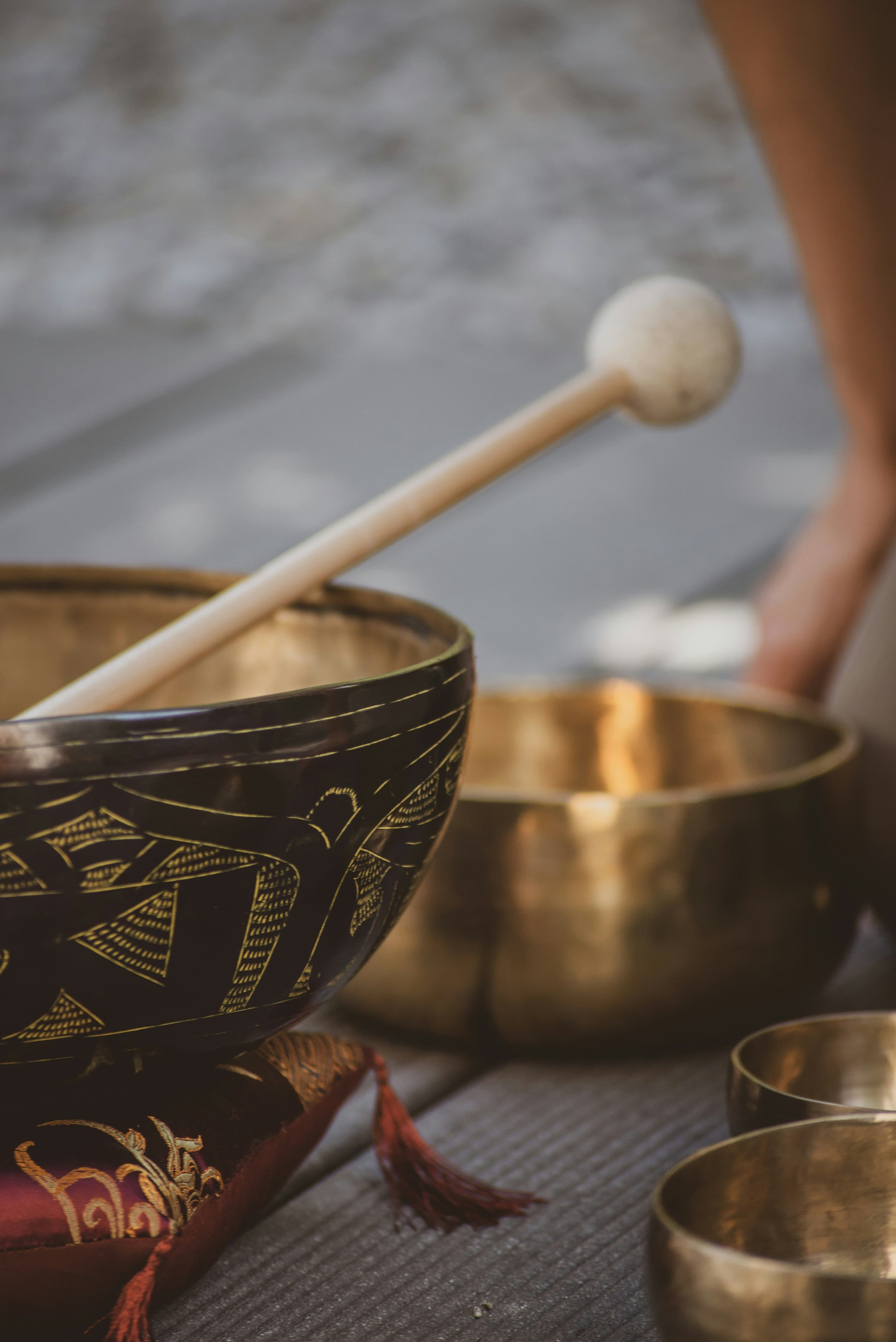
A sound healing session, often called a sound bath, is exactly what it sounds like. You lie down, fully clothed, on a mat or cushion. The practitioner plays a range of instruments: Tibetan singing bowls, crystal bowls, gongs, chimes, sometimes hand pans or flutes. The sounds layer and build, wash and fade. You don’t do anything. You just receive.

The vibrations from these instruments travel through the body in a way that’s hard to describe but easy to feel. Research suggests they help shift the brain from its normal active state into slower, more relaxed wave patterns, the kind associated with deep meditation, dreaming, and the edge of sleep. The nervous system settles. Tension that’s been held for weeks, sometimes months, starts to release.

People describe it differently. Some say it feels like a massage from the inside. Others talk about emotional release, tears that arrive without explanation, a lightness afterward that’s hard to name. Some simply fall into the deepest sleep they’ve had in months. All of these are normal. All of them are welcome.

Why Bali’s Sound Healing Scene Is Different

Sound has always been part of Balinese spiritual life. The gamelan, the island’s traditional percussion orchestra, has been used in ceremony, ritual, and healing for centuries. When contemporary sound healing practices arrived in Bali, they landed somewhere that already understood what sound could do.

What’s grown here is something unique: practitioners who blend Tibetan and Himalayan traditions with Balinese ceremony, crystal bowls with local instruments, ancient technique with genuine intention. Ubud in particular has become a world-class hub, drawing some of the most skilled and respected sound healers on the planet. Many came for a retreat and never left.

The setting helps too. There’s something about lying in an open-air pavilion in the jungle, the air warm and alive around you, sounds layering with the natural world outside, that makes the experience land differently than it would in a city wellness studio. The environment isn’t just backdrop. It’s part of the healing.

What to know before your first sound bath

  • Wear comfortable, loose clothing. You’ll be lying still for anywhere from 45 minutes to two hours.

  • You don’t need to meditate or focus on anything. The practice is entirely passive, you receive, not perform.

  • It’s normal to feel emotional during or after a session. Many people cry without knowing why. This is the point

  • Some people fall asleep. That’s fine, your nervous system is doing exactly what it needs to.

  • Eat lightly beforehand. Drink water after. Give yourself time to come back slowly, don’t rush into the rest of the day.

  • If it’s your first time, a group session is a good place to start. Private sessions go deeper, when you’re ready.

Who It’s For

Sound healing attracts all kinds of people. Experienced meditators who want to go deeper. Complete beginners who can’t sit still in silence and need something to anchor them. People who are grieving, or exhausted, or simply feel disconnected from themselves in a way that’s hard to put into words.

It’s particularly well-suited to people who arrive in Bali carrying a lot. The kind of tension that doesn’t respond to rest, or talking, or figuring things out. Sound healing works at a different level, below thought, below effort, and sometimes that’s exactly what’s needed.

Most people leave a session quieter than they arrived. Some feel moved in ways they didn’t anticipate. Almost all of them book another one.

Looking for sound healing in Bali? Sana Bali maps practitioners, wellness centres, and retreat spaces across Ubud and beyond, so you can find the right experience for wherever you are right now.
Stay in the loop. New articles and wellness tips. No spam, unsubscribe anytime.

You might also like

0f277de3-8524-4b1c-8944-54ae791a88f1.jpeg

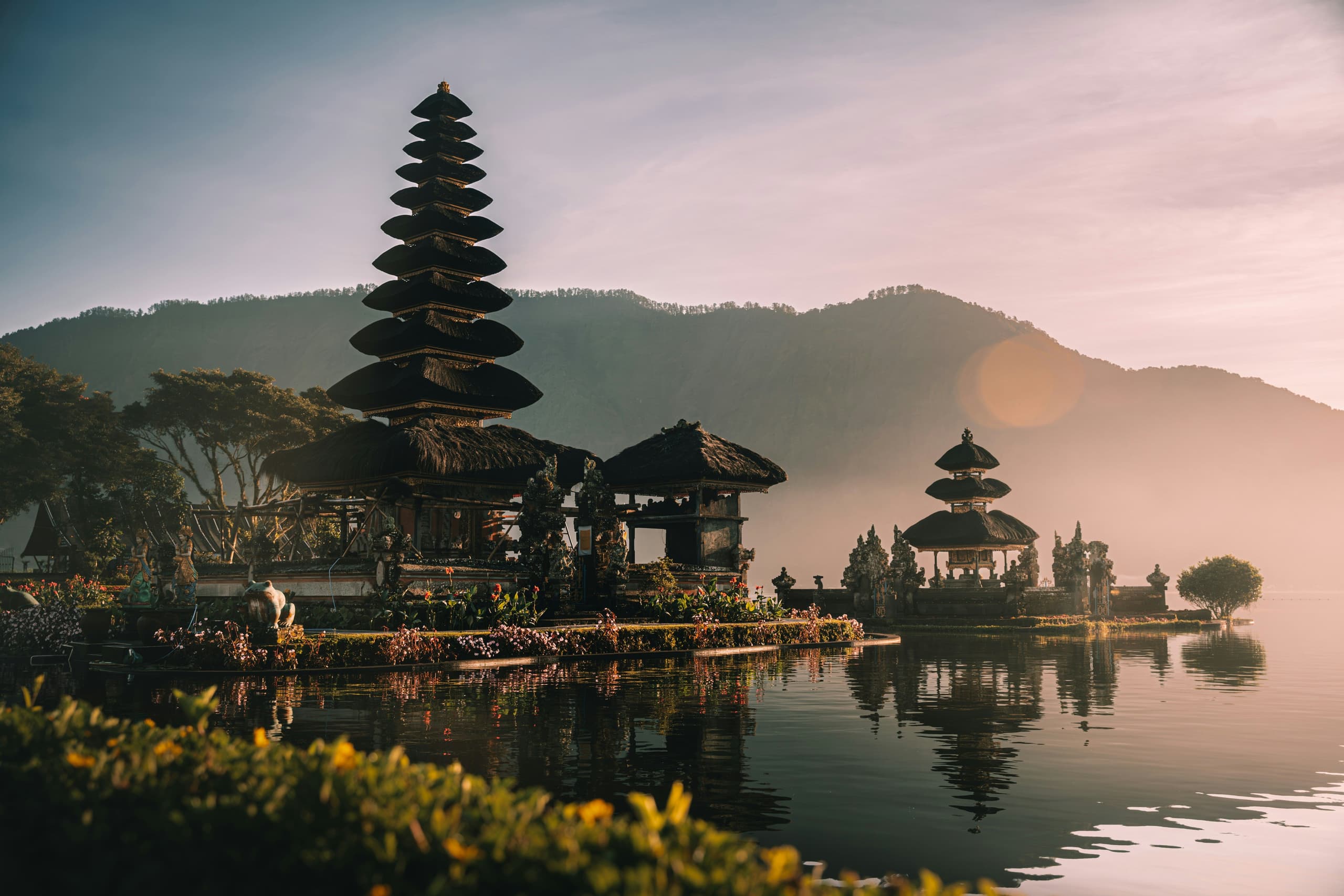
Why Bali Has Become a Global Home for Yoga

Bali draws yoga seekers from across the world, not just for the classes, but for the community, the stillness, and the space to find themselves

a2ad9d9a-9dd9-40c8-9ae9-c5c9baf1f096.jpeg

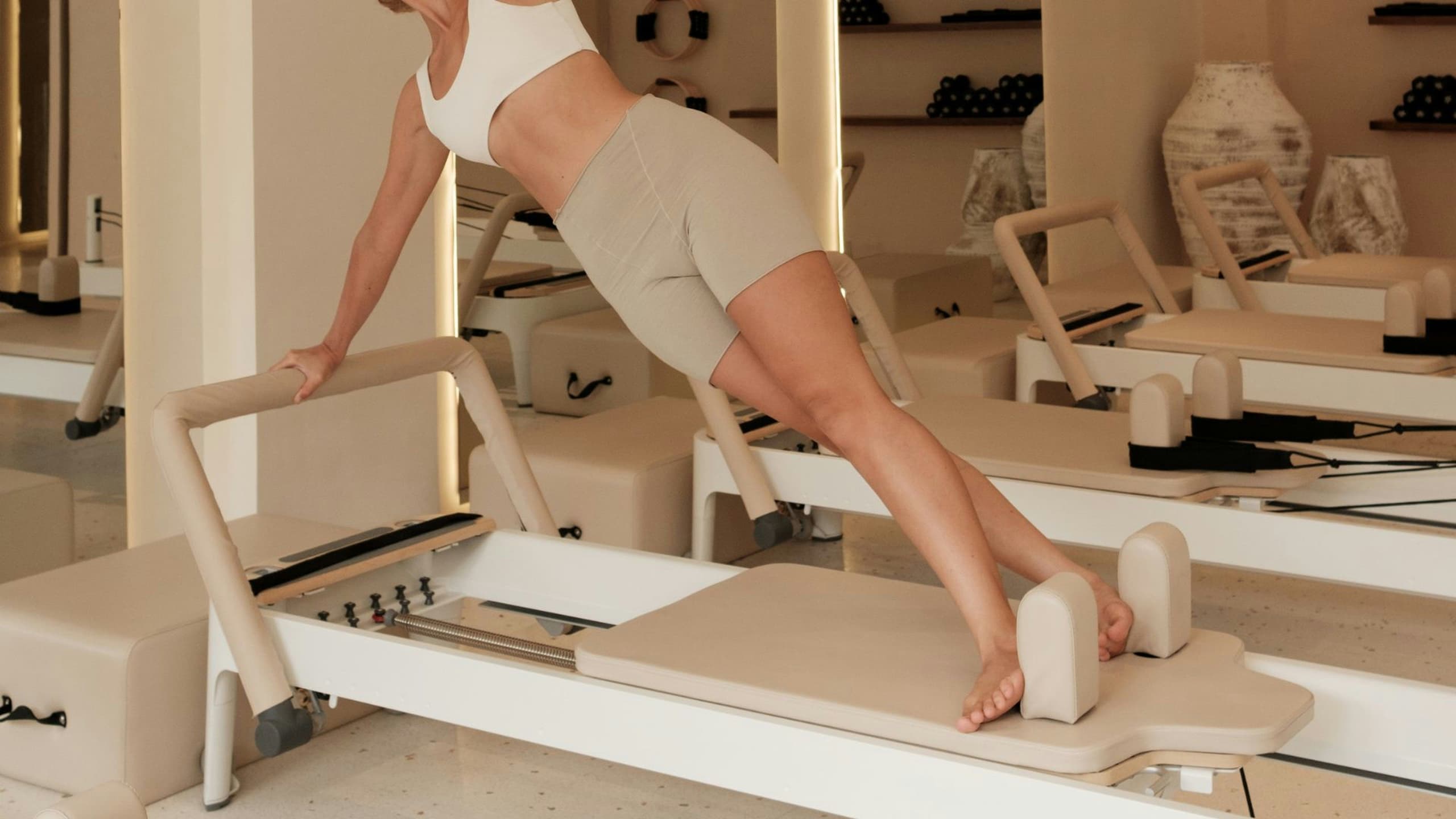
The Quiet Rise of Pilates in Bali and How the Island Became a World-Class Hub

Pilates is the world’s most booked workout, and Bali has quietly become one of the best places on earth to practice it. Here’s why.

Healing
4 min read

Sound Healing 101: What It Is, How It Works, and Why Bali Does It Better

Sound healing in Bali is one of those experiences most people don’t expect to feel so much. Here’s what it is, what to expect, and why Bali does it so well

cc1bfd52-44cd-4d39-ad83-15a32f0a05c8.jpeg

You lie down. You close your eyes. And then the sound begins and something in you, without trying, starts to let go.

Sound healing isn’t easy to explain to someone who hasn’t tried it. It sounds, on paper, like it might be a bit much, lying in a room while someone plays bowls and gongs over you. But almost everyone who experiences it for the first time says some version of the same thing: they didn’t expect to feel that much.

In Bali, sound healing is everywhere. In open-air jungle spaces in Ubud. In wellness centres along the rice paddies. In retreat programmes that pair it with breathwork, cacao, and ceremonial practice. It’s one of the most sought-after experiences on the island, and for good reason.

What Actually Happens

A sound healing session, often called a sound bath, is exactly what it sounds like. You lie down, fully clothed, on a mat or cushion. The practitioner plays a range of instruments: Tibetan singing bowls, crystal bowls, gongs, chimes, sometimes hand pans or flutes. The sounds layer and build, wash and fade. You don’t do anything. You just receive.

The vibrations from these instruments travel through the body in a way that’s hard to describe but easy to feel. Research suggests they help shift the brain from its normal active state into slower, more relaxed wave patterns, the kind associated with deep meditation, dreaming, and the edge of sleep. The nervous system settles. Tension that’s been held for weeks, sometimes months, starts to release.

People describe it differently. Some say it feels like a massage from the inside. Others talk about emotional release, tears that arrive without explanation, a lightness afterward that’s hard to name. Some simply fall into the deepest sleep they’ve had in months. All of these are normal. All of them are welcome.

Why Bali’s Sound Healing Scene Is Different

Sound has always been part of Balinese spiritual life. The gamelan, the island’s traditional percussion orchestra, has been used in ceremony, ritual, and healing for centuries. When contemporary sound healing practices arrived in Bali, they landed somewhere that already understood what sound could do.

What’s grown here is something unique: practitioners who blend Tibetan and Himalayan traditions with Balinese ceremony, crystal bowls with local instruments, ancient technique with genuine intention. Ubud in particular has become a world-class hub, drawing some of the most skilled and respected sound healers on the planet. Many came for a retreat and never left.

The setting helps too. There’s something about lying in an open-air pavilion in the jungle, the air warm and alive around you, sounds layering with the natural world outside, that makes the experience land differently than it would in a city wellness studio. The environment isn’t just backdrop. It’s part of the healing.

What to know before your first sound bath

  • Wear comfortable, loose clothing. You’ll be lying still for anywhere from 45 minutes to two hours.

  • You don’t need to meditate or focus on anything. The practice is entirely passive, you receive, not perform.

  • It’s normal to feel emotional during or after a session. Many people cry without knowing why. This is the point

  • Some people fall asleep. That’s fine, your nervous system is doing exactly what it needs to.

  • Eat lightly beforehand. Drink water after. Give yourself time to come back slowly, don’t rush into the rest of the day.

  • If it’s your first time, a group session is a good place to start. Private sessions go deeper, when you’re ready.

Who It’s For

Sound healing attracts all kinds of people. Experienced meditators who want to go deeper. Complete beginners who can’t sit still in silence and need something to anchor them. People who are grieving, or exhausted, or simply feel disconnected from themselves in a way that’s hard to put into words.

It’s particularly well-suited to people who arrive in Bali carrying a lot. The kind of tension that doesn’t respond to rest, or talking, or figuring things out. Sound healing works at a different level, below thought, below effort, and sometimes that’s exactly what’s needed.

Most people leave a session quieter than they arrived. Some feel moved in ways they didn’t anticipate. Almost all of them book another one.

Looking for sound healing in Bali? Sana Bali maps practitioners, wellness centres, and retreat spaces across Ubud and beyond, so you can find the right experience for wherever you are right now.

Stay in the loop. New articles and wellness tips. No spam, unsubscribe anytime.

You might also like

0f277de3-8524-4b1c-8944-54ae791a88f1.jpeg

Why Bali Has Become a Global Home for Yoga

Bali draws yoga seekers from across the world, not just for the classes, but for the community, the stillness, and the space to find themselves

a2ad9d9a-9dd9-40c8-9ae9-c5c9baf1f096.jpeg

The Quiet Rise of Pilates in Bali and How the Island Became a World-Class Hub

Pilates is the world’s most booked workout, and Bali has quietly become one of the best places on earth to practice it. Here’s why.